Visual Storytelling in the Digital Age: The Rise of Tattoo Doodle
In an era where digital communication often feels sterile and standardized, creators and professionals are increasingly seeking ways to inject personality, authenticity, and visual flair into their work. The landscape of typography and graphic design is shifting away from rigid uniformity toward expressive, custom aesthetics that resonate on a human level. At the forefront of this micro-trend is Tattoo Doodle, a unique typographic solution that transcends traditional lettering by replacing standard characters with small, decorative symbols reminiscent of inked art. This font is not merely a collection of glyphs; it represents a broader movement toward playful uniqueness in branding, social media content, and personal expression.
Defining the Aesthetic: More Than Just a Font
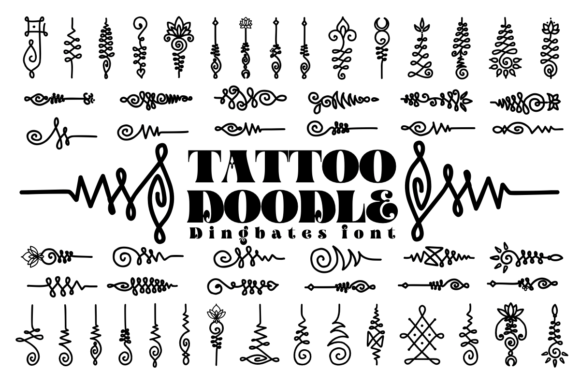
To understand the impact of Tattoo Doodle, one must first look beyond its technical definition. While technically a font file installed on a computer, functionally it acts as a library of miniature illustrations. Unlike conventional typefaces where the primary goal is legibility through standardized forms, Tattoo Doodle prioritizes atmosphere and vibe. Each symbol looks like a cool tattoo design, ranging from anchors and hearts to stars and skulls, allowing users to construct words that feel hand-drawn and organic.
This approach bridges the gap between typography and iconography. For marketers and entrepreneurs, this distinction is crucial. In a saturated market, the ability to communicate a brand's ethos instantly through visual cues is invaluable. When a business uses Tattoo Doodle in a campaign, they are not just writing a headline; they are signaling a specific lifestyle alignment—one that values creativity, rebellion, and individuality. The font serves as a shorthand for a "cool" factor that is difficult to achieve with standard sans-serif or serif options.
The Shift Toward Authenticity in Branding
The growing attention paid to tools like Tattoo Doodle is symptomatic of a larger consumer trend: the demand for authenticity. Modern audiences, particularly younger demographics, have developed a keen radar for corporate polish that feels artificial. They gravitate toward content that appears handmade, imperfect, and deeply personal. This shift has forced professionals across industries to rethink their visual workflows.
Traditionally, maintaining brand consistency meant adhering strictly to a limited palette of approved fonts. However, the current creative climate encourages contextual flexibility. A tech startup might use clean geometric fonts for their white papers but switch to something like Tattoo Doodle for their Instagram stories or limited-edition merchandise drops. This duality allows companies to maintain professional credibility while simultaneously engaging with communities that value artistic expression. The font becomes a tool for humanizing a brand, making it feel less like a faceless corporation and more like a collective of creative individuals.
Adapting Workflows for Visual-First Communication
The integration of decorative fonts into professional workflows highlights a change in how content is produced. Designers and freelancers are no longer just arranging text; they are curating visual experiences. The utility of Tattoo Doodle lies in its ease of use. Instead of spending hours sourcing individual vector icons and manually arranging them to spell out a word, a creator can simply type their message and instantly achieve a complex, illustrative effect.
This efficiency does not come at the cost of quality. On the contrary, it empowers non-designers—such as small business owners and content creators—to produce high-quality visuals without needing advanced illustration skills. This democratization of design tools is a significant development in the creative industry. It lowers the barrier to entry for producing standout content, allowing more voices to participate in the visual conversation. Whether it is a freelancer designing a logo for a coffee shop or a marketer creating a promotional graphic for a music festival, the ability to rapidly deploy unique typography is a competitive advantage.
Practical Applications Across Industries
The versatility of Tattoo Doodle extends far beyond simple decoration. Its application can be observed in various sectors where visual identity plays a pivotal role.
- Retail and Merchandise: Brands selling apparel, skateboards, or lifestyle accessories often use this font to create designs that feel exclusive and streetwear-inspired. It transforms a plain t-shirt into a statement piece.
- Social Media Marketing: In the fast-paced world of social platforms, stopping the scroll is essential. Posts utilizing Tattoo Doodle stand out against the sea of generic text overlays, inviting higher engagement rates through their distinct aesthetic.
- Event Promotion: Concerts, pop-up shops, and art exhibitions benefit from the edgy, energetic vibe of the font. It sets the tone before the event even begins, signaling to attendees that the experience will be unconventional and exciting.
- Packaging Design: For artisanal products, such as craft beers or small-batch cosmetics, packaging that features hand-style lettering suggests care and craftsmanship. Tattoo Doodle offers a scalable way to achieve this look without the variability of actual hand-lettering.
The Psychology of Playful Typography
Why are people paying attention to this specific style now? The answer lies in the psychology of play. In a high-stress professional environment, elements of fun and whimsy provide a necessary counterbalance. Using a font filled with doodles and symbols introduces a sense of joy and approachability. It breaks down formal barriers between the creator and the audience.
Furthermore, the tattoo aesthetic carries cultural weight. Historically associated with counter-culture and self-expression, tattoos have moved into the mainstream while retaining their edge. By utilizing Tattoo Doodle, brands and creators tap into this cultural reservoir. They align themselves with values of freedom, permanence, and storytelling. It is a subtle yet powerful way to communicate that a brand understands and respects the individuality of its customers.
Future-Proofing Creative Assets
As we look toward the future of digital design, the line between text and image will continue to blur. The success of fonts like Tattoo Doodle suggests that the future of communication is hybrid. Professionals who adapt to this reality by incorporating versatile, expressive tools into their arsenals will be better positioned to connect with evolving audiences.
It is important to note that while trends cycle, the underlying desire for unique expression remains constant. Tattoo Doodle is not just a fleeting fad; it is a response to a permanent shift in consumer expectations. People want to feel connected to the content they consume. They want to see the human hand behind the digital screen. By offering a way to infuse text with personality, this font addresses a fundamental need in the modern creative ecosystem.
For entrepreneurs and marketers, the lesson is clear: do not underestimate the power of playful details. In a world of algorithms and automation, the things that feel handmade and unique are becoming the most valuable assets. Whether used for a bold headline, a subtle watermark, or a complete rebranding effort, Tattoo Doodle exemplifies how small changes in typography can lead to significant impacts in perception and engagement.
Conclusion: Embracing the New Standard of Expression
The rise of Tattoo Doodle illustrates a pivotal moment in design history where functionality meets fun. It challenges professionals to rethink the rigidity of traditional typography and embrace a more fluid, expressive approach to communication. As industries continue to evolve, the tools that allow for genuine connection and artistic freedom will remain indispensable. By understanding the context and relevance of such innovations, creators can ensure their work remains resonant, relevant, and distinctly human in an increasingly digital world.