Rolie Twily: Bridging Decorative Flair and Modern Clarity in Contemporary Design
In the rapidly evolving landscape of visual communication, the line between functional typography and artistic expression is becoming increasingly blurred. Designers, marketers, and brand strategists are constantly searching for typefaces that do more than simply convey information; they seek fonts that evoke emotion, establish tone, and cut through the noise of a saturated digital environment. Enter Rolie Twily, a font that effortlessly combines the elements of display and decorative styles to bring you a unique typographic experience. This typeface represents a significant shift in how we approach branding and creative projects, offering a solution that balances whimsical elegance with the rigorous demands of modern readability.
The Evolution of Display Typography
To understand the impact of Introducing Rolie Twily, one must first look at the broader trends shaping the design industry today. For years, the corporate world leaned heavily on sterile, geometric sans-serifs, prioritizing neutrality over personality. However, consumer preferences have shifted dramatically. Audiences now crave authenticity, warmth, and a sense of human touch in the brands they support. This has led to a resurgence in decorative and display fonts, but with a caveat: they must remain legible across diverse media formats, from mobile screens to large-scale outdoor advertising.
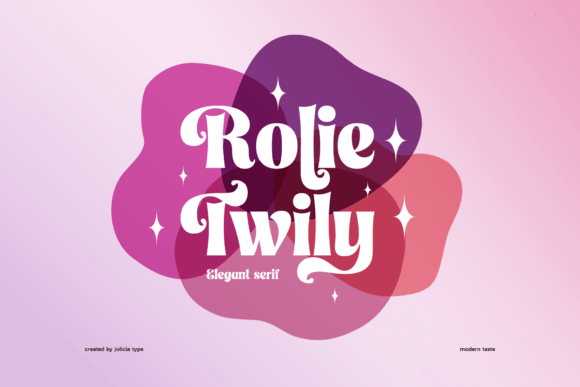
Rolie Twily seamlessly blends the characteristics of display and decorative fonts, resulting in a versatile typeface that can be used for a wide range of creative projects. It addresses the changing needs of creators who no longer want to choose between style and substance. In an era where attention spans are short and visual competition is fierce, a font that captures attention while maintaining clarity is not just a luxury; it is a strategic necessity.
Where Tradition Meets Contemporary Edge
While rooted in tradition, Rolie Twily maintains a contemporary edge, making it ideal for modern design trends. The font draws inspiration from classic calligraphic flourishes and vintage signage, yet it strips away the excessive ornamentation that often hinders readability in digital spaces. Its clean design ensures that your message remains clear and stylish, allowing it to perform equally well in a minimalist web layout as it does in a complex print collage.
This duality is crucial for professionals working in branding and marketing. A logo or headline needs to stand out on a business card, but it also needs to scale down for a social media avatar without losing its identity. Rolie Twily achieves this through careful attention to letterform structure. The graceful and whimsical curls in Rolie Twily's letterforms add a touch of sophistication and elegance to your text, making it perfect for invitations, posters, and branding materials where a touch of luxury is desired. These curls are not merely decorative; they guide the eye and create a rhythmic flow that enhances the reading experience.
Practical Applications in Modern Workflows
The versatility of Rolie Twily makes it an invaluable asset for freelancers and agencies alike. Its application extends far beyond simple headlines. Consider the following scenarios where this typeface elevates the final product:
- Luxury Branding: For high-end boutiques, jewelry stores, or premium service providers, the font exudes an aura of modernism that is sure to make your designs stand out and leave a lasting impression. It communicates exclusivity without appearing outdated or overly ornate.
- Event Invitations: Whether for weddings, galas, or corporate launches, the whimsical nature of the font adds a celebratory feel. It strikes the perfect balance between formal invitation and personal warmth.
- Packaging Design: In the consumer goods sector, shelf presence is everything. Rolie Twily allows products to pop against competitors using generic typography, signaling quality and craftsmanship to the potential buyer.
- Digital Campaigns: Social media graphics require immediate visual impact. The unique character of Rolie Twily stops the scroll, encouraging engagement and sharing.
Furthermore, the font supports the growing trend of "hybrid design," where static and dynamic media converge. As video content becomes the dominant form of communication, typefaces must perform well in motion. The distinct shapes and balanced weight of Rolie Twily animate beautifully, making it a strong candidate for title sequences, lower thirds, and animated logos.
Meeting the Demand for Authenticity
Why are people paying attention to Rolie Twily now? The answer lies in the cultural shift towards individuality. Consumers are tired of cookie-cutter designs that feel mass-produced. They respond to visuals that suggest a human hand was involved in the creation process. Decorative fonts like Rolie Twily satisfy this desire by reintroducing organic curves and varied stroke widths that mimic natural writing instruments.
However, the challenge has always been ensuring these organic forms do not sacrifice professionalism. Many decorative fonts fail in corporate settings because they appear too casual or difficult to read. Rolie Twily overcomes this hurdle by maintaining a structured baseline and consistent x-height. This ensures that while the font feels personal and approachable, it retains the authority required for business communications. It is a tool that allows entrepreneurs to express their unique voice while maintaining the credibility necessary to build trust with their audience.
Strategic Integration for Creators
For designers and marketers, integrating Rolie Twily into a project requires a thoughtful approach. It is best used as a display typeface for headings, pull quotes, and logos, paired with a neutral sans-serif or serif for body copy. This contrast creates a visual hierarchy that guides the reader through the content effectively. Overusing a decorative font can lead to visual fatigue, so restraint is key.
- Identify the Core Message: Determine if the tone of the project aligns with the sophisticated yet whimsical vibe of Rolie Twily. It works exceptionally well for lifestyle, fashion, beauty, and creative industries.
- Test Across Mediums: Before finalizing a design, view the typography on various devices and in different lighting conditions. Ensure the decorative elements remain crisp and recognizable.
- Pair Wisely: Select a complementary body font that does not compete for attention. The goal is to let Rolie Twily shine as the star of the show while supporting text provides stability.
- Maintain Consistency: Once adopted into a brand identity, use the font consistently across all touchpoints to build recognition and reinforce brand values.
The relevance of Rolie Twily also extends to the technical aspects of modern design workflows. With the rise of variable fonts and responsive web design, typefaces need to be flexible. While Rolie Twily stands out for its fixed stylistic traits, its clean underlying geometry ensures it renders smoothly on screens of all resolutions. This reliability is essential for developers and designers who need to ensure a seamless user experience across platforms.
A Lasting Impression in a Digital World
Ultimately, the success of a design project often hinges on the details. Typography is one of the most powerful tools in a creator's arsenal, capable of influencing perception and driving action. Rolie Twily offers a compelling option for those looking to elevate their work above the standard. It represents a synthesis of past and present, combining the charm of traditional decorative arts with the precision required by contemporary technology.
As we move forward, the demand for typography that tells a story will only grow. Brands that can communicate their values through subtle visual cues will gain a competitive advantage. By choosing a font that embodies both elegance and clarity, professionals can create experiences that resonate deeply with their audiences. Rolie Twily is more than just a set of characters; it is a statement of intent, signaling a commitment to quality, creativity, and modern sophistication.
In conclusion, the introduction of Rolie Twily marks a welcome development in the world of typography. It answers the call for fonts that are as functional as they are beautiful, providing a bridge between artistic expression and practical application. For anyone involved in the creation of visual content, exploring the possibilities of this typeface is a worthwhile endeavor. It invites designers to break free from the mundane and embrace a style that is truly distinctive, ensuring that their messages are not just seen, but remembered.