Evaluating Flower Stamp for Creative Design Projects
In the realm of digital typography and graphic design, specialized fonts often serve specific functional roles beyond standard text rendering. Flower Stamp represents a category of typeface known as a dingbat or pictorial font. Unlike traditional alphabets designed primarily for legibility in long-form reading, this font consists entirely of glyphs representing floral illustrations. For designers, crafters, and hobbyists evaluating tools for visual enhancement, understanding the specific utility, limitations, and ideal applications of such a resource is essential for effective project planning.
Understanding the Nature of Dingbat Fonts
To properly evaluate Flower Stamp, one must first understand the mechanics of dingbat fonts. These typefaces map standard keyboard characters (such as letters, numbers, and symbols) to specific images rather than alphanumeric shapes. When a user types the letter "A," the output is not an "A" but a specific flower design defined by the font creator. This mechanism allows users to insert complex vector-style graphics simply by typing, bypassing the need to search for individual image files or manage large libraries of PNGs and SVGs for every small decorative element.
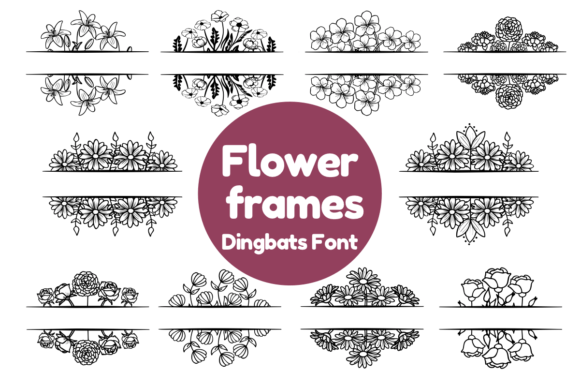
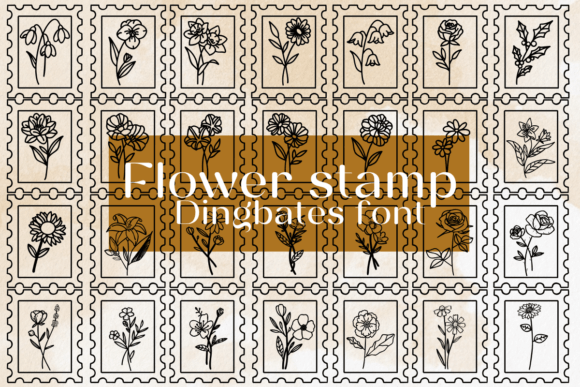
Flower Stamp is characterized by its collection of charming floral designs. The aesthetic is generally whimsical and hand-stamped in appearance, mimicking the look of traditional rubber stamping on paper. This stylistic choice makes it particularly relevant for projects aiming for a tactile, organic, or vintage feel. The font offers a variety of flower-themed glyphs, providing a range of options from simple buds to fully bloomed arrangements, allowing for diversity within a single cohesive style.
Primary Use Cases and Strong Fits
The decision to utilize Flower Stamp should be driven by the specific requirements of the project at hand. There are several scenarios where this tool offers a distinct advantage over alternative methods:
- Digital Scrapbooking: For individuals creating digital layouts, the ability to type flowers directly onto the canvas streamlines the workflow. It eliminates the need to layer multiple image files, keeping the project file size manageable and the editing process fluid.
- Invitation and Card Design: When designing wedding invitations, birthday cards, or event programs, consistent decorative borders or accents are often required. Flower Stamp ensures that every floral element shares the exact same line weight, color potential, and artistic style, maintaining visual harmony.
- Crafting and Stencil Creation: Users who translate digital designs into physical crafts, such as vinyl cutting or stencil making, benefit from the vector nature of fonts. Converting the text created with Flower Stamp into paths allows for clean cuts and scalable graphics without pixelation.
- Rapid Prototyping: Designers needing to quickly mock up a layout with floral elements can use the font to place placeholders instantly. This is faster than browsing stock photo sites for suitable icons during the initial conceptual phase.
Benefits of Using a Floral Font
Adopting a dedicated font like Flower Stamp introduces several operational benefits. The primary advantage is consistency. When sourcing individual clip art from various free or paid repositories, designers often struggle with mismatched styles, differing resolutions, and inconsistent lighting or line weights. A dingbat font guarantees that every glyph belongs to the same family, ensuring a unified aesthetic throughout the document.
Furthermore, color flexibility is a significant technical benefit. Because the flowers are rendered as font glyphs, they inherit the text color selected in the design software. This allows for instant recoloring to match brand guidelines or seasonal palettes without the need for complex image editing software to remove backgrounds or alter hues. Additionally, being vector-based (when outlined), these graphics remain crisp at any scale, from a small favicon to a large format banner.
Tradeoffs and Limitations to Consider
While Flower Stamp offers convenience, it is not a universal solution for all graphical needs. A critical consideration is the limitation of variety. A font contains a finite set of glyphs, typically mapping to the standard ASCII or Unicode character sets. Once a designer has used the available characters, they cannot generate new, unique flower variations without switching tools. In contrast, a comprehensive stock photography library or an illustration suite may offer thousands of unique floral images.
Another tradeoff involves complexity and detail. Dingbat fonts are often optimized for clarity at smaller sizes, which can sometimes result in simplified designs. If a project requires highly detailed, photorealistic, or intricate botanical illustrations with shading and texture, a dedicated font may appear too flat or stylized. In such cases, high-resolution raster images or complex vector illustrations would be more appropriate.
Users must also consider the learning curve regarding mapping. Since the visual output does not match the keyboard input, users must refer to a glyph map or character chart to find the specific flower they desire. This can slow down the workflow for those unfamiliar with the specific layout of the Flower Stamp character set, whereas dragging and dropping a visible image file provides immediate visual confirmation.
When to Consider Alternatives
There are specific situations where relying solely on Flower Stamp may hinder the design process. If a project demands a high degree of uniqueness where no two flowers can look alike, a font is likely insufficient. Similarly, if the design requires complex compositions where flowers must overlap in specific, non-linear ways that defy standard text kerning and baseline alignment, dedicated illustration software may be necessary.
Additionally, for web development contexts where load time and accessibility are paramount, using icon fonts can sometimes present challenges compared to inline SVGs. Screen readers may interpret the typed characters literally (e.g., reading "letter A" instead of "flower"), requiring additional ARIA labels or CSS techniques to ensure the content is accessible to all users. If accessibility is a primary constraint, developers might prefer SVG sprites which can be explicitly labeled and controlled.
Decision-Making Insights for Selection
When determining whether Flower Stamp aligns with your goals, evaluate the scope and style of your intended output. Ask the following questions:
- Is stylistic consistency a priority? If the project requires a uniform "stamped" look across hundreds of elements, this font is a strong candidate.
- What is the required level of detail? For whimsical, decorative accents, the font is ideal. For realistic botanical studies, look elsewhere.
- How frequently will the assets be resized or recolored? If frequent adjustments are anticipated, the font format offers superior efficiency over static images.
- Does the project involve text integration? If flowers need to be interspersed tightly within lines of text (drop caps or inline decorations), a font handles baseline alignment automatically.
Ultimately, Flower Stamp serves as a specialized tool in a broader design toolkit. It excels in environments where speed, consistency, and a specific hand-crafted aesthetic are valued. However, for projects demanding extensive variety, photorealism, or complex interactive behaviors, it should be viewed as a complementary asset rather than a standalone solution. By weighing these factors against project constraints, creators can make an informed decision on whether to integrate this floral dingbat font into their workflow.