Unlocking Creative Potential with Christmas Wooden Sign Designs for Laser Cutting
The intersection of traditional holiday aesthetics and modern digital fabrication has created a vibrant market for custom holiday decor. At the heart of this trend is the Christmas Wooden Sign Christmas Decor, a versatile element that bridges the gap between mass-produced ornaments and bespoke artisanal crafts. For makers, small business owners, and hobbyists utilizing laser cutting technology, understanding the nuances of these digital designs is essential for producing high-quality, professional-grade results. This comprehensive guide explores the workflow, file compatibility, material considerations, and creative applications of using CNC files to create festive wooden signage and figurines.
The Evolution of Digital Fabrication in Holiday Crafting
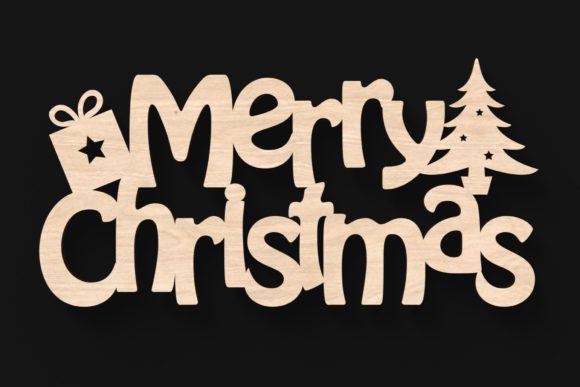
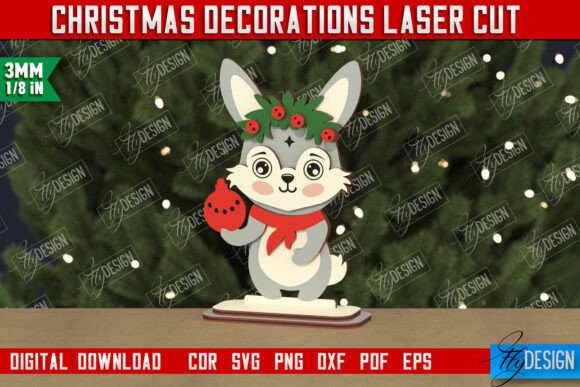
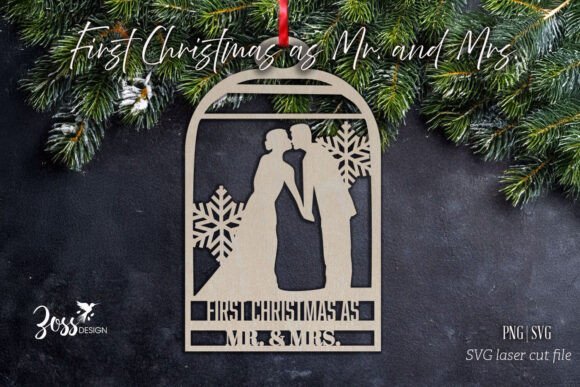
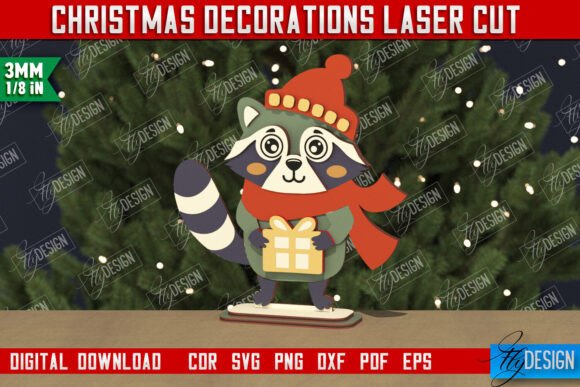
Gone are the days when holiday decorations were limited to what could be found on store shelves. The advent of accessible laser cutting machines and CNC routers has democratized the creation of intricate wooden decor. A Christmas Wooden Sign Christmas Decorations Gift Idea often starts as a digital vector file, which is then translated into a physical object through precise cutting and engraving. This shift allows creators to offer personalized items, such as table statuettes or wall hangings, that carry a unique touch impossible to achieve with injection molding or standard manufacturing.
The appeal of these projects lies in their adaptability. Whether one is a professional sign maker looking to expand seasonal inventory or an educator teaching students about vector graphics and material science, the process offers immense educational and commercial value. The ability to manipulate dimensions, swap fonts, and adjust engraving depths means that no two signs need ever look exactly alike, fostering a culture of creativity and customization.
Navigating File Formats and Software Compatibility
One of the most critical aspects of successfully producing a decorative figurine or sign is selecting the correct file format for your specific hardware and software ecosystem. Digital product packages for laser cutting typically include a zip archive containing multiple file types: SVG, EPS, PNG, PDF, and DXF. Each serves a distinct purpose in the workflow.
- SVG (Scalable Vector Graphics): Widely supported by design software like Adobe Illustrator and Inkscape. It is excellent for editing shapes and paths but can sometimes suffer from scaling issues when imported directly into certain laser control software.
- DXF (Drawing Exchange Format): Often the preferred choice for industrial and hobbyist laser cutters, particularly when using Lightburn software. DXF files tend to preserve dimensional accuracy better than SVGs, ensuring that a 6-inch sign cuts out as exactly 6 inches.
- EPS and PDF: These are robust vector formats ideal for graphic designers who need to integrate the sign design into larger marketing materials or print layouts before sending to the cutter.
- PNG: A raster image format useful for previewing the design or using as a reference layer, though not suitable for direct cutting paths unless traced.
A common pitfall for users working with Lightburn is relying solely on SVG files. As noted by experienced operators, Lightburn can occasionally distort the dimensions of SVG imports, leading to misaligned cuts or sizing errors. For the best results, especially when precision is paramount for assembly or fitting into frames, it is highly recommended to use the DXF file format. This ensures that the geometry remains true to the original design specifications.
Interpreting Cut and Engrave Lines for Optimal Results
Understanding how to interpret the visual cues within a design file is fundamental to operating a laser cutter efficiently. Most professional CNC files for holiday decor utilize a color-coded system to distinguish between different machine operations. Typically, a RED line indicates a cut path, instructing the laser to power through the material completely. Conversely, a BLACK line usually signifies an engrave path, where the laser marks the surface without cutting through.
This distinction is vital for creating depth and texture in a Christmas Wooden Sign. For instance, the outline of a snowflake or the border of a sign might be set to red for cutting, while internal details like text, holly leaves, or intricate patterns are set to black for engraving. Before sending a job to the machine, users must verify these color assignments in their software. Misinterpreting these lines could result in a sign that falls apart during cutting or lacks the intended decorative detailing.
Furthermore, users should always perform a test run on scrap material. Different woods react differently to laser power and speed settings. Plywood, MDF, and solid hardwoods each require unique parameters to achieve clean cuts without excessive charring. Ensuring your cutting machine and software are compatible with the provided file structures prevents wasted material and ensures safety.
Material Selection and Finishing Techniques
The final appearance of a Christmas Wooden Sign Christmas Decor is heavily influenced by the choice of substrate. While the digital file provides the shape, the material provides the character. Popular choices include:
- Baltic Birch Plywood: Known for its clean layers and lack of voids, this is the gold standard for laser cutting. It engraves beautifully and holds fine details well, making it ideal for intricate table statuettes.
- MDF (Medium Density Fiberboard): Offers a smooth, uniform surface that paints easily. It is often used for signs that will be fully painted rather than left natural.
- Solid Hardwoods: Walnut, cherry, or maple can provide a premium look for high-end gifts. However, they may require higher power settings and slower cutting speeds.
Post-processing is where the magic truly happens. After cutting, edges may have slight char marks. Light sanding can remove these, preparing the wood for staining, painting, or sealing. For a rustic look, a dark wax applied over a light stain can accentuate the engraved areas, making the black line details pop against the wood grain. For a modern aesthetic, acrylic paints can be used to fill engraved regions, creating a two-tone effect that enhances readability and visual appeal.
Diverse Applications and Market Opportunities
The versatility of these digital designs extends far beyond simple wall hangings. Entrepreneurs and creators can leverage Christmas Wooden Sign Christmas Decorations for a wide array of products. Consider the following applications:
- Personalized Gifts: Adding names or dates to the design transforms a generic sign into a cherished family heirloom.
- Home Staging and Interior Design: Real estate agents and home stagers use seasonal decor to make properties feel warm and inviting during winter listings.
- Educational Kits: Schools and makerspaces can use these files to teach STEM concepts, combining geometry, physics, and art.
- Retail Merchandise: Craft fair vendors can produce batches of signs quickly, offering them as affordable yet high-perceived-value items.
The ability to scale production is a significant advantage. Once the file is optimized and the machine settings are dialed in, producing ten units takes roughly the same effort as producing one, minus the machine time. This scalability makes the Christmas Wooden Sign an excellent product for small businesses looking to maximize revenue during the holiday rush.
Troubleshooting and Customization Support
Even with high-quality files, challenges can arise. If a design does not load correctly, or if the dimensions seem off, it is often a matter of unit conversion (inches vs. millimeters) or software interpretation. Users are encouraged to communicate with file providers if they encounter issues. Many creators offer support for alternative file types or specific color adjustments for PNG previews. Requesting a different size or color variation is often possible, ensuring that the final product meets exact project requirements.
Moreover, staying connected with the creator community can provide insights into future releases and trending styles. Following designers allows users to stay ahead of the curve, accessing new patterns and innovative design elements as soon as they become available. This ongoing relationship fosters a collaborative environment where feedback leads to better products for everyone.
Conclusion: Embracing the Maker Spirit
The creation of a Christmas Wooden Sign Christmas Decor item is more than just a manufacturing process; it is an act of creation that blends technology with tradition. By mastering the intricacies of file formats like DXF and SVG, understanding the significance of cut and engrave lines, and selecting the right materials, creators can produce stunning pieces that bring joy to homes and businesses alike. Whether for personal use, educational purposes, or commercial ventures, the potential of laser-cut wooden decor is limitless. As the holiday season approaches, embracing these digital tools empowers individuals to craft meaningful, beautiful, and enduring celebrations.