Evaluating the Pastrini Gerbera: A Practical Guide to Paper Floral Design
For craft enthusiasts and interior design aficionados, the decision to incorporate paper florals into a space often hinges on finding the right balance between realism, durability, and aesthetic impact. Among the emerging options in the high-end paper flower market, the Pastrini Gerbera by Maison Gregoria has garnered attention for its specific approach to botanical accuracy and structural integrity. Unlike mass-produced silk arrangements or simpler origami-style blooms, this design focuses on replicating the nuanced color gradients and textural details found in nature, specifically targeting those who value sophistication over novelty.
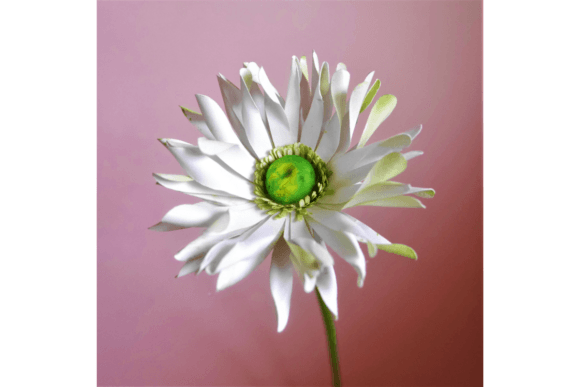
The Pastrini Gerbera is defined by its singular, large-scale presence. It features crisp white petals that transition subtly into a soft green at the tips, anchored by a vivid green core. This specific coloration mimics the natural aging process of a real gerbera daisy, offering a level of visual depth that solid-colored paper flowers often lack. For individuals comparing various DIY kits or pre-made arrangements, understanding the distinct characteristics of this model is essential for determining if it aligns with their project goals, skill level, and decorative needs.
Material Quality and Structural Considerations
A primary factor in evaluating any paper flower project is the substrate used. The longevity and final appearance of the bloom are directly tied to the weight and texture of the cardstock. The Pastrini Gerbera kit utilizes Encore Cardstock 80 lb cover (216 gsm). In the realm of paper crafting, this weight represents a significant trade-off between malleability and rigidity.
Lighter cardstocks, typically ranging from 60 to 65 lb, are easier to curl and shape but often lack the structural support needed for larger blooms like the Gerbera. They may droop over time or fail to hold the complex layering required for a realistic center. Conversely, extremely heavy boards can be difficult to manipulate without specialized tools and may result in cracked edges when curled. The 80 lb cover stock selected for the Pastrini Gerbera sits in a "sweet spot" for intermediate to advanced crafters. It provides enough body to maintain the flower's bold silhouette while remaining pliable enough to achieve the delicate fade and petal curvature that defines the design.
For those sourcing materials independently, finding cardstock with this specific GSM (grams per square meter) is crucial for replicating the intended look. If you are considering purchasing materials separately to experiment with similar designs, ensuring your supply matches this density is vital. You can explore suitable options at the 12×12 Cardstock Shop, which offers a variety of weights and textures compatible with high-definition floral projects. Note that this is a paid link at no extra cost to you, serving as a resource for verifying material specifications.
Comparing DIY Kits Versus Pre-Made Arrangements
When deciding how to acquire a piece like the Pastrini Gerbera, consumers generally face a choice between purchasing a finished arrangement or a DIY kit. Each approach serves different user needs and constraints.
- DIY Kits: The Pastrini Gerbera is available as a comprehensive kit including detailed instructions in both PDF and video formats. This option is best suited for individuals who view the creation process as part of the value proposition. It allows for customization of stem length, leaf placement, and overall scale. However, it requires a time investment and a baseline comfort with crafting tools such as floral wire, tape, and glue guns. The learning curve can be steep for beginners, though the dual-format instructions aim to mitigate this by catering to both visual and reading learners.
- Pre-Made Options: While some vendors offer assembled versions of similar designs, they often come at a premium price due to labor costs. Furthermore, shipping fully assembled paper flowers carries a higher risk of damage during transit compared to flat-packed kits. For those whose primary goal is immediate decoration without the labor, a pre-made route might seem appealing, but the fragility of paper logistics often makes the kit a more reliable and cost-effective choice for long-term satisfaction.
The decision ultimately rests on whether the user values the therapeutic aspect of creation or the convenience of a ready-to-display item. For the Pastrini Gerbera, the complexity of the petal grading suggests that the DIY route offers a deeper appreciation of the craftsmanship involved.
Aesthetic Fit and Interior Design Applications
The visual profile of the Pastrini Gerbera—bold yet delicate—makes it a versatile candidate for various interior styles, but it is not a universal fit for every decor scheme. Its stark white-to-green gradient lends itself well to modern, minimalist, and Scandinavian interiors where clean lines and neutral palettes dominate. In these settings, the flower acts as a sculptural element rather than just a splash of color.
In contrast, traditional or maximalist spaces that rely on deep, saturated hues might find the white and green palette too understated unless used in large clusters to create volume. When evaluating this arrangement against other floral options, consider the lighting of the intended room. The subtle green tipping on the petals interacts dynamically with natural light, creating shadows and highlights that enhance the 3D effect. In dimly lit areas, this nuance may be lost, potentially making a solid-colored alternative a better choice for visibility.
Furthermore, the scale of the Pastrini Gerbera is significant. It is designed as a statement piece. Placing a single stem in a narrow vase can create a striking focal point on a mantel or entryway table. However, users should be wary of overcrowding; unlike smaller filler flowers, these large blooms require negative space to breathe and display their structural intricacies effectively.
Limitations and Maintenance Realities
While paper flowers offer the advantage of never wilting, they are not without limitations compared to fresh or high-quality silk alternatives. Dust accumulation is the primary maintenance concern. The intricate layers of the Pastrini Gerbera's center and the textured edges of the petals can trap dust more readily than smooth silk leaves. Regular, gentle cleaning with a soft brush or compressed air is necessary to maintain the crispness of the white petals.
Additionally, environmental factors play a role. Although the 80 lb cardstock is durable, prolonged exposure to direct sunlight can cause the white paper to yellow or the green dye to fade over several years. This is a common trait across most paper crafts and distinguishes them from UV-treated silk flowers. Therefore, the Pastrini Gerbera is best suited for indoor environments away from harsh window glare. It is not recommended for outdoor events or high-humidity areas like bathrooms, where moisture could compromise the adhesive bonds or warp the cardstock.
Making the Final Decision
Choosing the Pastrini Gerbera involves weighing the desire for a unique, handcrafted aesthetic against the practicalities of material care and assembly time. It is an ideal choice for:
- Craft Enthusiasts: Those looking to expand their portfolio with a technically rewarding project that yields a professional-grade result.
- Gift Givers: Individuals seeking a thoughtful, handmade present that conveys effort and personalization, particularly for occasions celebrating new beginnings or purity.
- Design-Conscious Homeowners: People who need a low-maintenance decorative element that offers the organic feel of fresh flowers without the recurring cost or waste.
However, if your priority is absolute weather resistance, zero maintenance, or a highly vibrant, non-natural color palette, other synthetic materials or preserved real flowers might serve your needs better. The Pastrini Gerbera excels in its specific niche: bridging the gap between artistic expression and botanical realism through high-quality materials and thoughtful design. By understanding the material requirements and environmental constraints, buyers can ensure this arrangement becomes a lasting and sophisticated addition to their collection.