Celestial Lantern Tabletop Night Light Guide
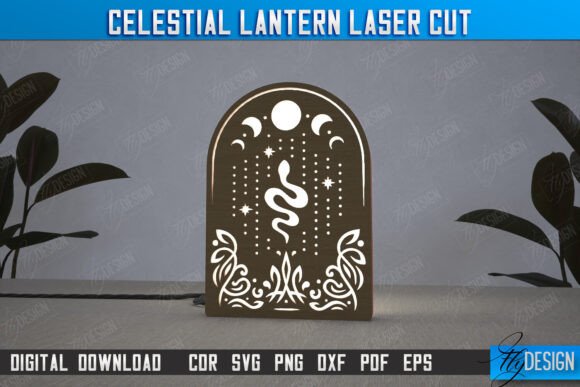
Imagine a quiet evening where the only light in the room comes from a soft, glowing pattern casting intricate shadows against the wall. This is the magic of the Celestial Lantern Tabletop Night Light. More than just a source of illumination, this project represents a perfect intersection of artistic design and modern fabrication technology. Whether you are holding a finished wooden lantern or preparing a digital file for your machine, understanding the nuances of this specific design can transform how you approach your next creative endeavor.
At its core, this product is a digital blueprint designed specifically for laser cutting machines. It allows makers to translate a complex, starry aesthetic into a physical object with precision. The design relies on a clear distinction between cut lines and engrave areas, typically marked in red and black respectively within the vector files. This separation is crucial for the machine to understand where to slice through the material and where to merely etch the surface to create depth and texture without compromising structural integrity.
Why This Design Resonates Across Different Makers
The appeal of the Celestial Lantern extends far beyond a single type of user. Its value shifts depending on who is holding the file and what their ultimate goal might be. For some, it is a learning tool; for others, it is a revenue stream or a heartfelt gift.
For beginners entering the world of laser cutting, the primary concern is often ease of use and reliability. A pre-made design like this removes the intimidation factor of creating complex vector art from scratch. Instead of wrestling with bezier curves in Illustrator or Inkscape, a novice can focus on the mechanics of the machine itself. They learn how different materials react to laser power, how to align beds, and most importantly, how to manage file formats. The immediate feedback of seeing a beautiful object emerge from a flat sheet of wood or acrylic provides a confidence boost that encourages further exploration.
In contrast, experienced professionals and seasoned hobbyists often evaluate this type of file based on flexibility and commercial potential. They aren't just looking for a pretty picture; they are analyzing the nesting efficiency to minimize material waste, the tolerance of the joints for a snug fit without glue, and the scalability of the design. Can this lantern be shrunk down for a desk ornament or scaled up for a floor lamp? Does the engraving depth allow for interesting lighting effects when using different wattage machines? For these users, the Celestial Lantern Tabletop Night Light serves as a versatile base that can be modified, branded, or integrated into larger collections.
Navigating the Technical Details
One of the most critical aspects of working with digital fabrication files is understanding the software ecosystem. This specific product includes a comprehensive zip archive containing SVG, EPS, PNG, PDF, and DXF files. While having options is generally positive, it introduces a layer of decision-making that varies by user expertise.
A common pitfall for many users, particularly those utilizing Lightburn software, involves file distortion. SVG files, while universally compatible with web browsers and many design tools, can sometimes suffer from dimension shifts when imported into laser cutting software. This happens due to differences in how various programs interpret unit measurements (pixels vs. inches vs. millimeters). If you notice your lantern pieces don't fit together perfectly or the overall size is off, the issue likely lies here.
To mitigate this, experienced operators often recommend bypassing the SVG format entirely when working in Lightburn. Instead, opting for the DXF file format usually yields superior results regarding dimensional accuracy. DXF is a standard in the CAD industry and tends to preserve exact measurements more reliably during the import process. This small technical adjustment can save hours of frustration and material waste, ensuring that the red cut lines and black engrave lines align exactly as the designer intended.
Practical Applications for Various Goals
Different audiences will prioritize different outcomes when utilizing this design. Here is how the same file serves distinct purposes:
- Educators and Workshop Leaders: For teachers running STEM or art workshops, the priority is safety and success rate. This lantern offers a structured project where students can learn about light, shadow, and geometry. The clear color-coding (red for cut, black for engrave) simplifies instruction, allowing educators to focus on teaching machine safety rather than troubleshooting complex designs.
- Small Business Owners: Entrepreneurs selling handmade goods need consistency and speed. A reliable CNC file means they can produce multiple units with predictable results. The aesthetic appeal of a "celestial" theme taps into popular home decor trends, making it a viable product for Etsy shops or local craft fairs. Their focus is on production time, material cost per unit, and the perceived value of the finished good.
- Interior Design Enthusiasts: Consumers or DIY decorators care mostly about the final presentation. They want a piece that fits their space and adds ambiance. For them, the technical file formats matter less than the ability to customize the finish—perhaps staining the wood a dark walnut to enhance the glow or painting it white for a Scandinavian look.
- Freelance Designers: Creatives might use this as a starting point for customization. They may take the base vector and add personalized elements, such as names or dates, turning a generic night light into a bespoke wedding gift or memorial item. Their value lies in the adaptability of the original file.
Making the Right Choice for Your Project
Deciding whether the Celestial Lantern Tabletop Night Light is right for you comes down to aligning the project with your current skill level and objectives. If you are looking to practice your machine settings and want a forgiving yet impressive result, this is an excellent candidate. The inclusion of multiple file formats ensures that regardless of your preferred workflow—whether you are on a Mac using proprietary software or a PC running open-source alternatives—there is a compatible version available.
However, if you require specific dimensions that deviate significantly from the standard, remember that digital files often allow for scaling, provided you maintain the aspect ratio to prevent joint misalignment. It is also worth noting that communication with the creator can be vital. If you find yourself needing a different file type not listed, or perhaps a specific color variation of a preview PNG for your marketing materials, reaching out directly is often encouraged. Many designers are willing to assist to ensure your project succeeds.
Ultimately, the beauty of digital fabrication lies in its community and shared knowledge. By choosing a well-structured file like this, you are not just buying a pattern; you are gaining access to a tested design that has likely been refined through trial and error by the creator. Whether you are a marketer looking for unique content, a parent wanting a bedtime project, or a professional expanding their catalog, the celestial lantern offers a blend of functionality and wonder that few other projects can match.
As you prepare to launch your machine, double-check your software settings, select the appropriate file format for your workflow, and remember that the journey from digital line to physical light is where the real creativity happens. Stay curious, keep experimenting with materials, and don't hesitate to follow creators whose work inspires you to stay updated on future releases and new design possibilities.