Bringing Pepper Ornamental Floribela to Life: A Guide to Lasting Color and Craft
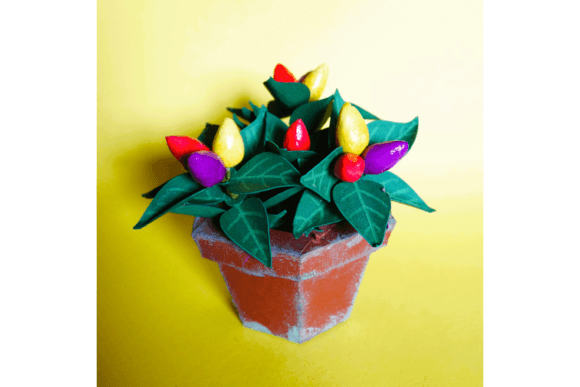
Imagine a kitchen counter that never loses its vibrancy, regardless of the season or how often you forget to water your houseplants. This is the promise of the Pepper Ornamental Floribela, a stunning paper interpretation of the classic ornamental pepper plant introduced by Maison Gregoria. Unlike living botanicals that demand specific light conditions and consistent hydration, this handcrafted piece offers a perpetual burst of color through shades of red, yellow, purple, and orange, all nestled among rich, textured green leaves. Each element is meticulously shaped to mimic the plump, glossy finish of real peppers, housed in a rustic terracotta-colored paper pot that adds an immediate touch of warmth to dining areas or workspaces.
While the allure of a maintenance-free decorative piece is strong, diving into the world of paper botany—whether buying a finished piece or attempting the DIY kit—requires a shift in mindset. Many enthusiasts approach paper crafting with the same expectations they have for live plants or mass-produced plastic decor, leading to avoidable disappointments. To truly appreciate and maximize the value of the Pepper Ornamental Floribela, one must understand the nuances of material selection, assembly precision, and placement strategy.
Misunderstanding Material Weight and Durability
A common pitfall for beginners entering the paper crafting space is underestimating the importance of cardstock weight. When evaluating a DIY kit or sourcing materials to replicate the look of the Pepper Ornamental Floribela, it is tempting to opt for standard printer paper or lightweight scrapbook paper to save costs or because it is readily available. However, this is a critical error that compromises the structural integrity of the final piece.
Lightweight paper lacks the rigidity required to hold the three-dimensional shape of a plump pepper. Over time, gravity causes thin paper to sag, losing that coveted glossy, fresh appearance and resulting in a wilted look that defeats the purpose of an "everlasting" plant. Furthermore, lighter stocks are prone to tearing at the stress points where stems meet leaves or where the peppers are glued to the branches.
The superior approach, as demonstrated by high-quality kits like those from Maison Gregoria, involves using heavy-duty materials. Specifically, Encore Cardstock 80 lb cover 216 gsm provides the necessary thickness to maintain volume and resist bending. This weight allows the crafter to curl and shape the paper without it springing back flat, ensuring the peppers retain their圆润 (round) form. Before purchasing any supplies or starting a project, always check the GSM (grams per square meter) or pound rating. If you are sourcing your own materials, visiting a specialized 12×12 Cardstock Shop to find equivalent heavy-cover stock is a wise investment that directly correlates to the professional finish of your arrangement.
The Trap of Rushed Assembly and Glue Selection
Another frequent oversight occurs during the assembly phase. The intricate nature of the Pepper Ornamental Floribela, with its multitude of small leaves and varied pepper colors, can tempt creators to rush through the process or use inappropriate adhesives. Many hobbyists reach for standard white school glue or quick-dry super glues without considering the long-term effects on paper.
White glue contains water, which can warp heavy cardstock if applied too generously, creating unsightly bumps and altering the smooth texture of the "pepper" skin. Conversely, super glue can soak through thin edges, leaving visible stains or making the paper brittle enough to crack when adjusted later. These mistakes not only affect the aesthetic quality but also reduce the lifespan of the decoration.
To avoid these issues, patience and the right tools are essential. The detailed video tutorials and PDF instructions included in professional DIY kits are not merely suggestions; they are roadmaps designed to prevent structural failures. Take the time to follow the step-by-step guidance on how to layer the leaves and attach the fruit. Use acid-free craft glue sticks or clear-drying liquid adhesives specifically formulated for paper. Apply adhesive sparingly to the tabs rather than the entire surface area. This technique ensures a clean bond without seepage, preserving the pristine look of the red, yellow, and purple hues. Remember, the goal is a cohesive, natural-looking cluster, not a collection of visibly glued components.
Placement Errors and Environmental Factors
One of the primary selling points of the Pepper Ornamental Floribela is its independence from sunlight and water. However, this freedom sometimes leads to poor placement decisions. Users often assume that because the plant is made of paper, it is impervious to environmental factors. Placing these arrangements in direct, harsh sunlight or areas with high humidity can be detrimental.
Direct UV exposure over extended periods can cause the vibrant pigments in even high-quality cardstock to fade, turning bright oranges into dull browns and rich greens into yellowed tones. Similarly, placing the arrangement in a humid environment, such as directly next to a boiling kettle or in a steamy bathroom without ventilation, can cause the paper fibers to absorb moisture, leading to warping or mold growth on the organic-based paper products.
For optimal longevity and presentation, treat your paper plant with the same care you would a delicate photograph. Position the Pepper Ornamental Floribela in areas with indirect light where its colors can pop without being bleached by the sun. Kitchens and dining areas are ideal, provided the spot is away from direct heat sources like stovetops or radiators. By choosing a stable environment, you ensure that the rustic charm of the terracotta-colored pot and the vividness of the peppers remain intact for years, serving as a reliable focal point for your home decor.
Evaluating Value: DIY Kits vs. Pre-Made Options
When deciding how to acquire a Pepper Ornamental Floribela, consumers often struggle between buying a finished piece or attempting the DIY route. A common misconception is that the DIY kit is simply a cheaper alternative. While it can be cost-effective, the true value lies in the customization and the therapeutic process of creation, not just the price tag.
If your goal is immediate decor and you lack the time or dexterity for detailed crafting, purchasing a pre-assembled unit ensures a flawless, professional finish immediately. However, if you seek a personalized touch or a rewarding hobby activity, the DIY kit offers unparalleled benefits. It allows you to control the density of the foliage, the distribution of colors, and the specific angle of each branch. The mistake here is viewing the kit solely as a product rather than an experience.
Before making a decision, assess your available time and interest level. If you choose the DIY path, ensure you have a clean, well-lit workspace and the recommended tools, such as fine-tip tweezers and sharp scissors. The inclusion of comprehensive video tutorials in reputable kits bridges the gap between novice and expert, guiding you through complex folds and assemblies. Ultimately, whether you choose to craft it yourself or display a ready-made version, the Pepper Ornamental Floribela stands as a testament to the beauty of paper art, offering a splash of eternal summer to any interior space.
By paying attention to material quality, assembly techniques, and environmental placement, you can avoid the common pitfalls that diminish the impact of paper botanicals. Embrace the process, respect the materials, and enjoy the enduring freshness that only a masterfully crafted paper garden can provide.