Evaluating Cake Flower: A Decorative Font for Playful Designs
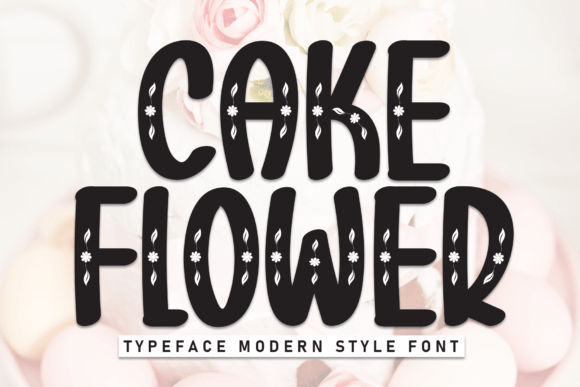
In the vast landscape of digital typography, selecting the right typeface is a critical step in establishing the tone of a visual project. For designers seeking to infuse their work with whimsy and charm, Cake Flower presents a distinct option. This decorative font is characterized by a fun and playful style, where each letter incorporates a small flower within its structure. This unique design element adds a layer of detail that goes beyond standard typographic choices, making it a subject of interest for those creating cheerful and cute designs. Understanding the specific attributes, applications, and limitations of this font is essential for determining whether it aligns with your current design goals.
Defining the Aesthetic of Cake Flower
At its core, Cake Flower is a display typeface designed to capture attention through intricate detailing rather than minimalism. The defining feature of this font is the integration of floral motifs directly into the letterforms. Unlike fonts that rely on separate glyphs or ligatures to create decorative effects, the flowers in Cake Flower are intrinsic to the shape of every character. This results in a consistent texture across any word or phrase typed in this style.
The overall vibe is undeniably lighthearted. The curves are soft, and the inclusion of botanical elements suggests themes of nature, growth, and celebration. It is not a font intended for subtlety; rather, it serves as a primary visual element. When evaluating this typeface, one must recognize that it functions more as an illustration tool than a traditional vehicle for reading large blocks of text. The "cake" aspect of the name often implies a sweetness or festivity that matches well with pastel color palettes and rounded graphic elements.
Ideal Use Cases and Strong Fits
Identifying the right context for using Cake Flower is key to leveraging its strengths effectively. This font shines in scenarios where the primary objective is to evoke emotion or set a specific mood quickly. Because of its inherent cuteness, it is a strong fit for projects targeting younger audiences or those centered around family-friendly events.
Specific situations where this font excels include:
- Invitations and Greeting Cards: For birthdays, baby showers, or spring-themed gatherings, the floral details eliminate the need for additional clip art, streamlining the design process.
- Packaging for Artisanal Goods: Products like handmade soaps, boutique baked goods, or floral arrangements benefit from the organic feel of the lettering, which reinforces the handmade or natural quality of the item.
- Social Media Graphics: In environments like Instagram or Pinterest, where visuals must stop the scroll, the unique texture of Cake Flower can make headlines stand out against photographic backgrounds.
- Children's Educational Materials: Worksheets, reward charts, or classroom decorations can utilize this font to make learning materials appear less formal and more engaging.
In these contexts, the font acts as both text and decoration, reducing the workload for the designer while maintaining a cohesive aesthetic.
Tradeoffs and Legibility Considerations
While the charm of Cake Flower is evident, a balanced evaluation requires acknowledging its tradeoffs. The very feature that makes it unique—the flowers inside the letters—can impact legibility. Decorative fonts often sacrifice readability for style, and this is no exception. At smaller sizes, the internal floral details may blur or become indistinct, causing the letters to look like abstract shapes rather than readable characters.
Furthermore, the high level of detail means that this font is generally unsuitable for body copy. Using it for paragraphs, terms of service, or lengthy descriptions would strain the reader's eyes and reduce comprehension. It is strictly a display font, best reserved for headlines, titles, logos, or short captions. Designers must also consider color contrast; because the letters contain internal voids and complex shapes, placing them over busy backgrounds can cause the text to get lost. Solid, contrasting backgrounds usually yield the best results.
When to Consider Alternatives
There are numerous scenarios where Cake Flower may not be the optimal choice. If the project demands a serious, corporate, or authoritative tone, this font would likely undermine the message. Industries such as finance, law, or healthcare typically require clean, sans-serif, or traditional serif typefaces that convey trust and stability. The playful nature of Cake Flower could inadvertently make a brand appear immature or unprofessional in these sectors.
Additionally, if accessibility is a primary concern, alternatives should be prioritized. Users with visual impairments or dyslexia often struggle with decorative fonts that have irregular strokes or added graphical elements. In public signage, wayfinding systems, or digital interfaces where quick information processing is vital, a simpler font is necessary. Even within the realm of "cute" designs, if the goal is a modern, minimalist aesthetic rather than a vintage or hand-drawn look, a cleaner script or a simple rounded sans-serif might achieve the desired effect without the visual noise of embedded flowers.
Practical Decision-Making Insights
When deciding whether to incorporate Cake Flower into a project, designers should ask a series of practical questions. First, what is the hierarchy of information? If the text needs to be read instantly from a distance or on a small mobile screen, test the font at that specific size before committing. Second, does the brand identity support a whimsical personality? If the brand voice is sophisticated or edgy, this font will create a dissonance that confuses the audience.
It is also wise to consider pairing. Because Cake Flower is so visually heavy, it pairs best with very neutral, simple companion fonts. A lightweight sans-serif or a plain serif can provide a calm counterbalance, allowing the decorative title to shine without overwhelming the layout. Avoid pairing it with other highly decorative scripts, as this creates visual competition that dilutes the impact of both.
Ultimately, Cake Flower is a specialized tool in a designer's toolkit. It offers a ready-made solution for adding floral charm and playfulness to a design without needing custom illustrations. However, its utility is bounded by issues of scale and tone. By carefully weighing the need for decorative flair against the requirements for clarity and professionalism, creators can determine if this font is the right fit for their specific objectives. When used judiciously in appropriate contexts, it transforms simple text into a delightful visual experience, but it requires a disciplined approach to ensure the message remains clear.