Celebrating Chinese Spring Festival with a Unique Decorative Font for Creative Projects
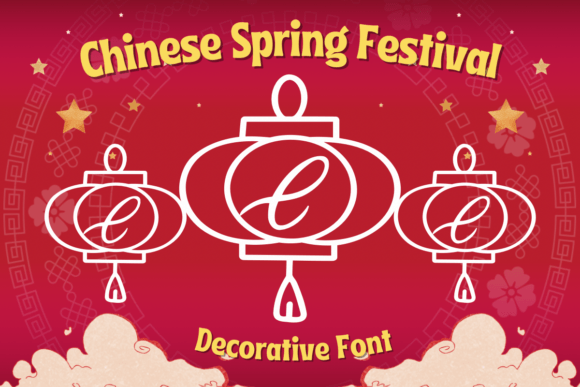
The Chinese Spring Festival, also known as Lunar New Year, is the most significant traditional holiday in Chinese culture. It marks the beginning of a new lunar cycle and is a time for family reunions, honoring ancestors, and welcoming prosperity. While the festivities are rich in customs like red envelopes, lion dances, and elaborate feasts, the visual language of the season is equally important. Calligraphy and stylized text play a central role in decorations, symbolizing good fortune and happiness. Today, digital creators and hobbyists alike are finding innovative ways to capture this spirit through specialized typography. Specifically, using a Chinese Spring Festival decorative font has become a powerful tool for anyone looking to infuse their projects with authentic cultural flair.
For many adults seeking to create meaningful content during this season, the challenge often lies in balancing authenticity with modern design needs. You may want to write a personal diary entry reflecting on the past year, craft a heartfelt greeting card for distant relatives, or design professional banners for a community event. Standard system fonts often lack the artistic nuance required to convey the warmth and tradition of the holiday. This is where a dedicated decorative font becomes an essential resource. It bridges the gap between traditional calligraphy aesthetics and contemporary digital usability, allowing you to produce high-quality visuals without needing years of calligraphy training.
Understanding the Role of Typography in Spring Festival Celebrations
To effectively use a Chinese Spring Festival themed font, it helps to understand why typography matters so much during this period. In traditional settings, couples paste red paper couplets (Chunlian) on their doorframes, featuring poetic verses written in bold, flowing brushstrokes. These characters are not just words; they are visual talismans meant to invite luck. When translating this tradition to digital or printed media, the choice of typeface dictates the emotional tone of your message. A rigid, sans-serif font might feel too corporate, while a poorly executed script can look messy or disrespectful to the tradition.
A well-designed decorative font solves this by offering stroke variations that mimic the pressure and flow of a brush pen. It captures the essence of the festival—vibrancy, movement, and elegance. Whether you are a small business owner creating marketing materials or an individual organizing a family gathering, utilizing the right typography ensures your communication resonates with the intended audience. It signals that you have put thought and care into the presentation, honoring the cultural significance of the event.
Practical Applications for Personal and Professional Use
The versatility of a Chinese Spring Festival decorative font extends far beyond simple document headers. Here are several practical ways you can implement this resource to enhance your projects:
- Personal Journaling and Diaries: Use the font to highlight dates, titles, or special quotes in your yearly planner or diary. It adds a festive touch to your goal-setting pages for the new year, making the process of reflection feel more ceremonial and inspiring.
- Greeting Cards and Invitations: Create custom digital or printed cards for friends and family. Instead of generic templates, hand-pick phrases like "Gong Xi Fa Cai" or "Happy New Year" in the decorative font to make your wishes stand out.
- Social Media Content: Elevate your Instagram stories, Facebook posts, or WeChat moments. Overlay text on photos of reunion dinners or decorations to create cohesive, eye-catching graphics that engage your followers.
- Merchandise and Gifts: The font is perfect for print-on-demand services. Design custom mugs, t-shirts, or tote bags featuring festive slogans. These make excellent gifts for colleagues or souvenirs for party guests.
- Event Banners and Signage: If you are hosting a community celebration or a corporate party, use the font for large-format banners, welcome signs, and menu boards to establish an immersive atmosphere.
Tailoring the Font to Different User Needs
Different users will approach the Chinese Spring Festival typography with varying goals, and understanding these perspectives can help you maximize the font's potential.
For the Hobbyist and DIY Enthusiast: Your primary goal is likely expression and creativity. You might be making scrapbooks or handmade cards. For you, the ease of installation and compatibility with consumer-grade design software (like Canva, Microsoft Word, or basic photo editors) is crucial. Look for fonts that include ligatures or alternate characters, allowing you to vary the look of repeated words without needing advanced design skills.
For Small Business Owners and Marketers: Your focus is on brand alignment and customer engagement. You need a font that remains legible even at smaller sizes on mobile screens while still conveying festivity. The goal is to drive sales or foot traffic through culturally relevant campaigns. In this context, ensure the font supports both simplified and traditional Chinese characters if your audience is diverse, and check the licensing terms to confirm commercial usage is permitted.
For Educators and Community Leaders: You may be creating educational materials to teach others about the holiday or organizing cultural events. Clarity and cultural accuracy are paramount. The font should serve as a teaching aid, demonstrating proper stroke order aesthetics while remaining readable for students or attendees of all ages.
Implementation Tips and Best Practices
To get the best results when using a Chinese Spring Festival decorative font, consider these practical recommendations:
- Pairing with Complementary Fonts: Decorative fonts work best when used sparingly. Pair them with a clean, neutral sans-serif or serif font for body text. This creates a visual hierarchy where the festive font draws attention to headlines or key messages without overwhelming the reader.
- Color Selection: Traditional colors associated with the Chinese Spring Festival are red and gold. Using the decorative font in these colors against a contrasting background (like black, white, or cream) enhances the festive mood. However, ensure sufficient contrast for accessibility.
- Cultural Sensitivity: Always double-check the characters. While a font may look beautiful, ensure the glyphs are correct and appropriate for the context. Avoid using characters that have negative connotations or are reserved for specific solemn occasions unless you are certain of their meaning.
- File Formats: Download fonts in standard formats like OTF or TTF to ensure compatibility across Windows, macOS, and mobile devices. If you are working on web projects, verify if a web-font version (WOFF/WOFF2) is available for fast loading times.
Conclusion
Incorporating a Chinese Spring Festival decorative font into your workflow is more than just a design choice; it is a way to honor tradition while embracing modern creativity. Whether you are jotting down resolutions in a diary, designing a line of holiday merchandise, or sending warm wishes to loved ones, the right typography can transform ordinary text into a celebration of culture. By understanding the nuances of the font and applying it thoughtfully across various mediums, you can create outcomes that are not only visually stunning but also deeply meaningful. As you prepare for the upcoming lunar new year, let these tools empower you to share the joy and spirit of the season with clarity and style.