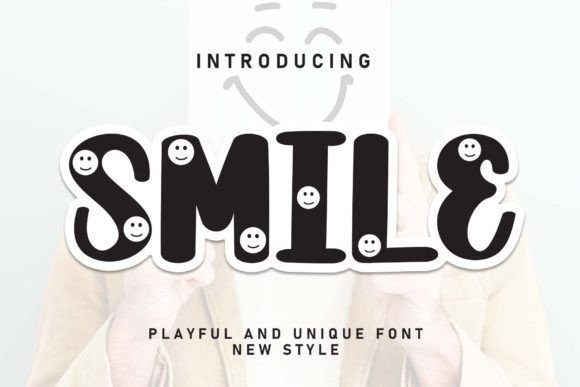
Bringing Joy to Your Designs with the Smile Font
Finding the right typeface for a creative project often feels like searching for a needle in a haystack. You need something that conveys emotion, fits the occasion, and remains legible, all while standing out from the sea of generic options available online. This is where Smile enters the conversation as a transformative tool for designers, hobbyists, and event planners alike. As a sweet and friendly decorative font, Smile offers more than just aesthetic appeal; it provides a solution for communicating warmth and approachability in visual communication. Whether you are crafting wedding invitations, designing greeting cards, or adding a fun touch to digital graphics, understanding how to leverage this versatile typeface can elevate your work from standard to memorable.
Understanding the Character of Smile
At its core, Smile is designed to evoke positivity. Unlike rigid serif fonts that command authority or stark sans-serifs that prioritize pure utility, this font family embraces a playful spirit without sacrificing readability. The curves are soft, the lines are inviting, and the overall weight suggests a casual yet polished tone. For adults seeking practical design solutions, the value of Smile lies in its ability to bridge the gap between professional presentation and personal connection. It solves the common challenge of making formal events feel welcoming or turning simple marketing materials into engaging experiences.
When users encounter text rendered in Smile, the immediate psychological response is often one of comfort. This makes it an ideal choice for situations where the goal is to reduce anxiety or build rapport. For instance, a business owner launching a boutique bakery might struggle to find a font that says "high quality" but also "homemade and loving." Smile addresses this need perfectly, offering a typographic voice that feels both established and neighborly.
Solving Common Design Challenges
Many individuals face specific hurdles when selecting typography for personal or small-business projects. One frequent issue is the lack of versatility in decorative fonts; they often look great in headlines but fail in body text or smaller applications. Another challenge is matching the font to the emotional tone of the event. A wedding invitation that feels too corporate can alienate guests, while one that is too whimsical might undermine the significance of the occasion.
Smile helps address these situations by offering a balanced middle ground. Its decorative nature ensures it catches the eye, satisfying the need for visual interest, while its structural integrity allows it to function well in various sizes. This versatility means you do not need to switch fonts halfway through a project, maintaining a cohesive brand identity or event theme. By choosing Smile, you eliminate the guesswork associated with pairing disparate typefaces, streamlining your workflow and ensuring a consistent output.
Practical Applications for Events and Celebrations
The most natural home for Smile is in the realm of celebrations, particularly weddings and milestone birthdays. When designing wedding invitations, the objective is to set the tone for the entire event before the guest even opens the envelope. Using Smile for the couple's names or key details like "Save the Date" instantly injects a sense of joy and anticipation. It suggests a celebration that is heartfelt and inclusive.
- Invitation Suites: Use Smile for headers on invitation cards, RSVP cards, and detail inserts to create a unified look.
- Place Cards and Menus: The legibility of Smile makes it excellent for table settings, ensuring guests can read their assignments and meal options easily while enjoying the decorative flair.
- Signage: From welcome signs at the venue entrance to directional arrows, this font remains visible and charming even when scaled up for large formats.
Beyond weddings, consider using Smile for baby shower announcements or graduation party decorations. In these contexts, the font's friendly demeanor aligns perfectly with themes of growth, new beginnings, and achievement. It transforms a standard printed notice into a keepsake that recipients are likely to save.
Enhancing Brand Identity for Small Businesses
For entrepreneurs and small business owners, typography is a critical component of brand identity. A logo or tagline written in a stiff, impersonal font can create distance between the business and its customers. Conversely, incorporating Smile into your branding materials can humanize your company. This is particularly effective for industries centered around care, creativity, and community, such as florists, pet sitters, artisanal crafters, and life coaches.
Imagine a local coffee shop updating its chalkboard menu. Switching to a font like Smile can make the daily specials feel more like recommendations from a friend rather than a sterile list of prices. Similarly, packaging for handmade soaps or candles benefits immensely from the soft, organic feel of this typeface. It signals to the consumer that the product inside was made with attention and love, justifying a premium price point through perceived value and emotional connection.
Tailoring Usage to Different User Needs
Different users will approach the implementation of Smile based on their specific goals. A graphic designer working on a tight deadline might appreciate the font's ready-to-use nature, requiring minimal tweaking to look professional. They can drop Smile into a layout and immediately achieve a polished result, saving hours of custom lettering work.
On the other hand, a DIY enthusiast planning a family reunion might use Smile to create personalized banners and t-shirts. For this user, the font serves as an equalizer, allowing them to produce high-quality materials that rival professional prints without needing advanced software skills. The intuitive shape of the letters ensures that even when printed on home printers or cut with vinyl machines, the result remains crisp and attractive.
Educators and community organizers also find unique value in this typeface. When creating flyers for school events, charity drives, or neighborhood gatherings, the goal is often to encourage participation. A flyer that looks stern or overly bureaucratic may be ignored. However, one featuring the warm curves of Smile invites engagement, subtly signaling that the event is safe, fun, and open to everyone.
Recommendations for Best Results
To get the most out of Smile, consider the context in which it will be viewed. While it is highly versatile, it shines brightest when used for headings, short phrases, and display text. For long paragraphs of body copy, it is often best to pair Smile with a clean, neutral sans-serif font. This combination creates a dynamic hierarchy where the decorative element draws attention, and the simple font ensures comfortable reading.
Color choice also plays a significant role in maximizing the impact of this font. Because Smile is inherently cheerful, it pairs wonderfully with pastel palettes, warm earth tones, or vibrant primary colors depending on the desired mood. Avoid pairing it with overly aggressive or dark color schemes that might contradict its friendly nature unless you are intentionally aiming for a specific stylistic contrast.
Furthermore, pay attention to spacing. Decorative fonts often require slightly adjusted tracking (the space between letters) to ensure each character breathes and maintains its unique shape. Giving Smile a little extra room can enhance its legibility and allow its playful characteristics to stand out more clearly.
Conclusion
In a world saturated with digital noise and generic templates, the power of a well-chosen typeface cannot be overstated. Smile offers a practical, effective solution for anyone looking to infuse their projects with warmth, personality, and a touch of whimsy. Whether you are finalizing wedding invitations, rebranding a small business, or simply adding a fun touch to a personal card, this font delivers on its promise of friendliness. By understanding its strengths and applying it thoughtfully, you can create designs that not only look good but also feel good to the people who see them. Embrace the versatility of Smile and let your designs reflect the joy they are meant to convey.